

Ammunition Aging & Safety Diagnostics - Guardian
Detection of internal degradation, micro-defects, and moisture ingress in high-value ammunition without disassembly.

The problem is hidden condition inside sealed energetic systems.
Voids and cracks act as hot-spots and uncontrolled burn surfaces, raising the risk of unintended initiation.
Moisture drives corrosion and propellant degradation, leading to misfires, hangfires, and reduced performance
Separation of energetic fill, binders, and liners is a primary driver of autocatalytic ignition and catastrophic failure on use.
Destructive sampling consumes a few items, yet leaves the rest of the stockpile a blind spot.
Sealed systems present a dual challenge: the hazard of storage ignition versus the risk of failure during mission execution. Existing evaluation procedures are exceptionally resource-intensive, placing a heavy financial strain on defense resources.
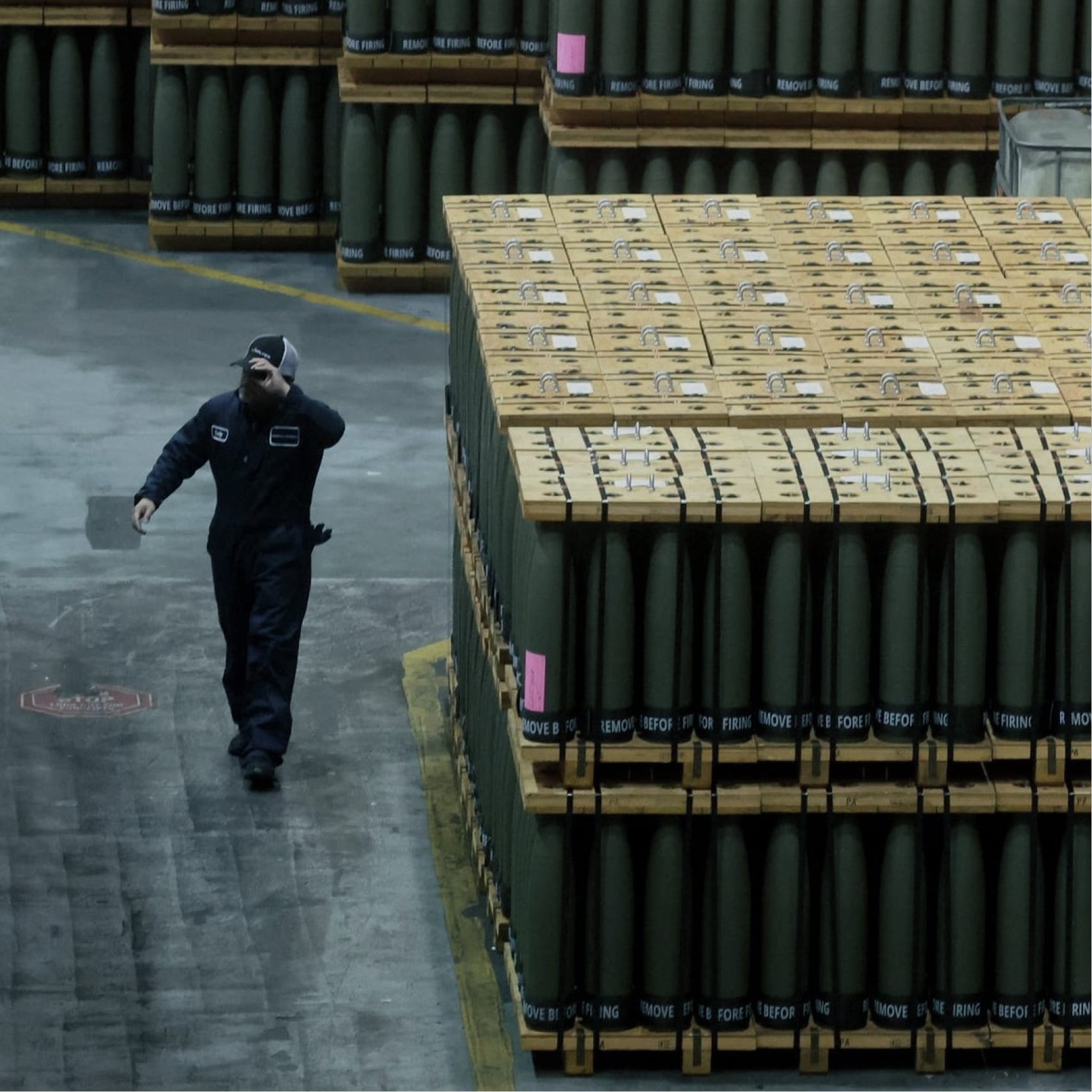
The intended output is a defensible evidence package for safety and lifecycle decisions.
Structural Condition View
MeV X-rays reveal internal geometry, voids, and cracks before they drive over-pressure or initiation failures.
Moisture & Material Evidence
Fast neutrons detect moisture and low-density organics through metal, where X-ray alone is effectively blind.
Fused Diagnostics Dataset
Synchronized X-ray and neutron data expose separation, debonding, and fill migration inside sealed objects.
Stockpile-Scale Coverage
Because inspection is non-destructive, condition evidence spans many units, not just the few destructive sampling consumes.
The value is defensible condition evidence across the stockpile, supporting safety and lifecycle decisions.
By improving defect detection and aging assessment, LDRS technology provides condition evidence across the stockpile, supporting:
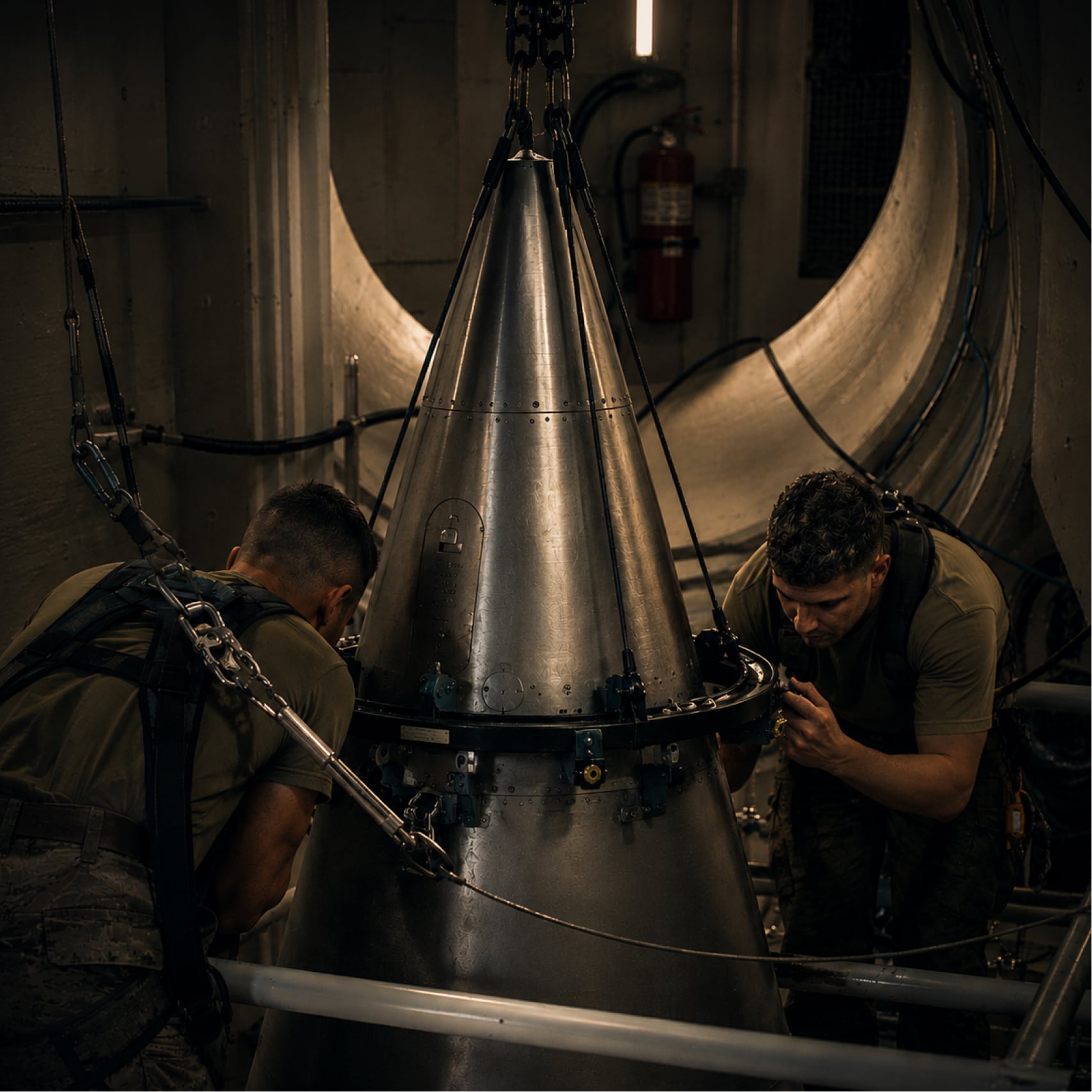
OUTCOME
LDRS technology enables a transition from reactive inspection to predictive integrity management.
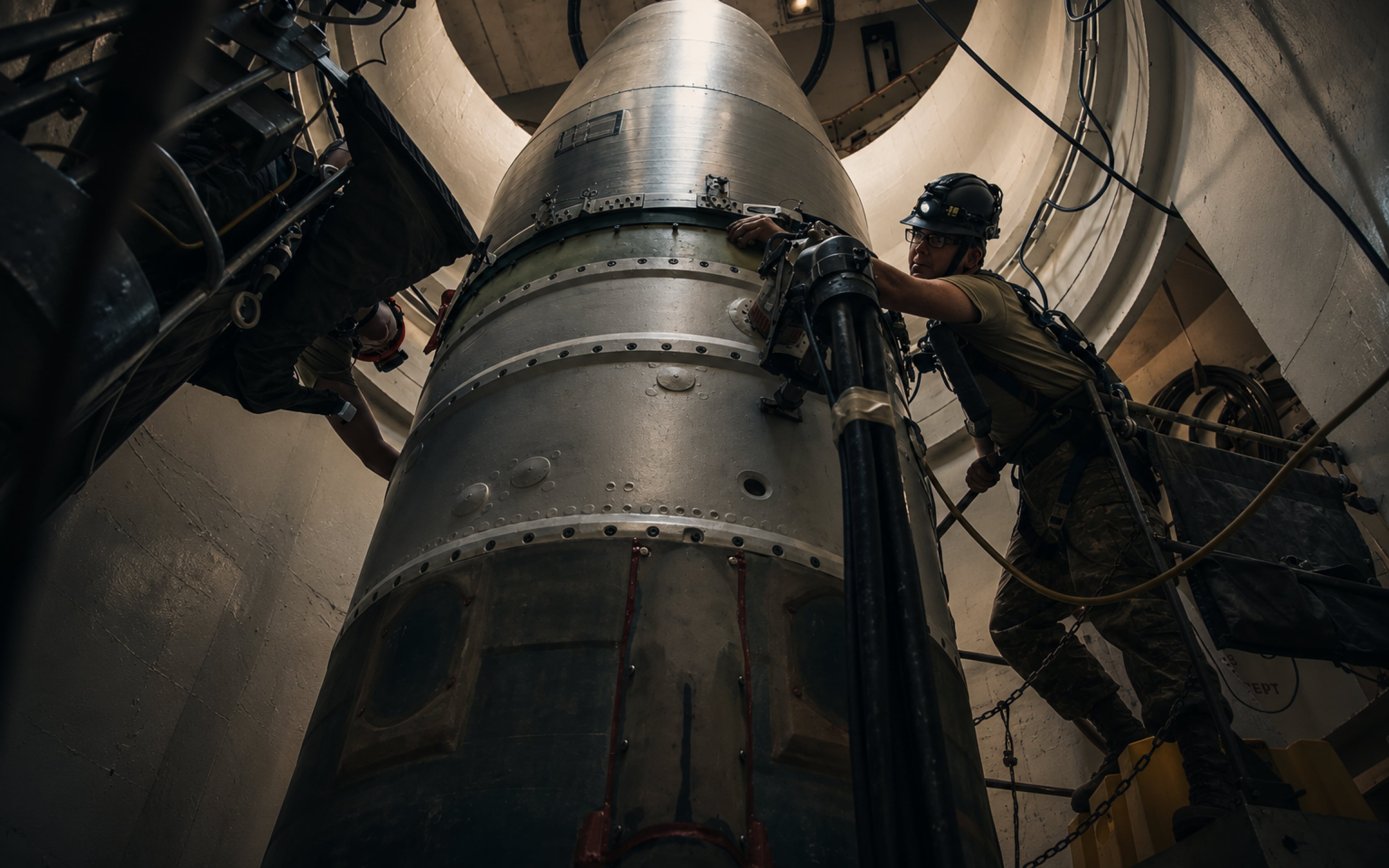

LDRS technology enables a transition from reactive inspection to predictive integrity management.
Contact Us →